
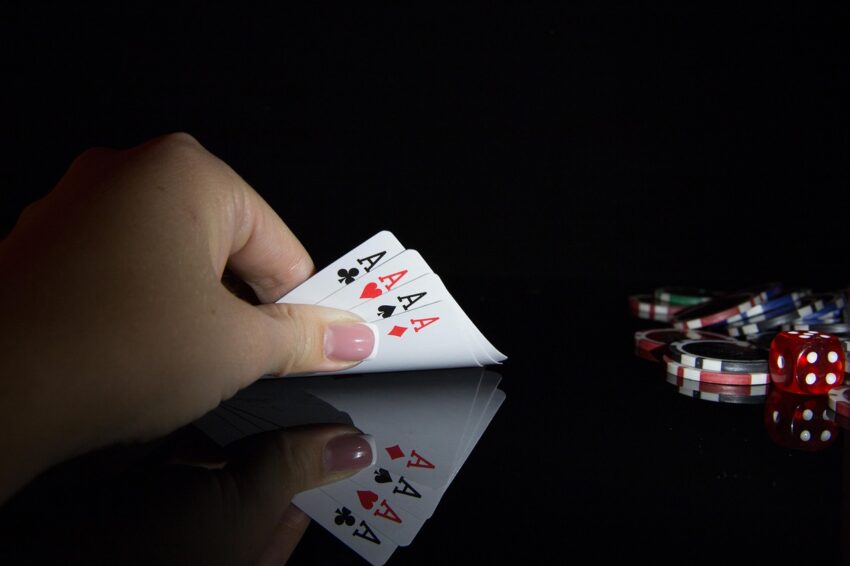
“I can stop whenever I want.” Many people say this while losing more money, sleep, and trust than they admit. If that sounds familiar, you are not alone, and help exists. Gambling addiction is a recognized condition, and people recover from it every day.
*Note: Helpline numbers and services change, so verify current details through official sources. If you are in immediate danger or thinking about harming yourself, contact local emergency services or a crisis line right away.*
Is It a Real Addiction?
Yes. inatoto Gambling disorder is recognized by major health bodies, including the World Health Organization and the American Psychiatric Association. It affects the brain’s reward system in ways similar to substance addictions. It is not a matter of weak willpower, and it is not “just a bad habit.”
Signs You May Need Help
– Gambling with more money or time than you planned
– Trying to stop or cut down and failing
– Chasing losses by betting more to win money back
– Lying to family or hiding gambling activity
– Borrowing money or selling belongings to gamble
– Feeling restless or irritable when you try to stop
– Gambling to escape stress, anxiety, or low mood
– Problems at work, school, or in relationships because of gambling
If you recognize three or more of these, it is worth talking to a professional.
Where to Start
**1. A trusted person.** A family member, friend, or colleague can be the first step. Saying it aloud reduces the shame that keeps the problem hidden.
**2. Your doctor.** A general physician can assess your health, screen for anxiety or depression, and refer you to specialists. Conversations with doctors are confidential in most countries.
**3. A mental health professional.** Psychologists, psychiatrists, and counselors can diagnose the problem and design a treatment plan.
**4. Helplines.** Many countries run free, confidential gambling or mental health helplines. Some examples:
– **India:** Tele-MANAS (14416 or 1-800-891-4416), a national mental health helpline, and NIMHANS in Bengaluru, which runs a service for technology and gambling-related problems
– **United States:** National Problem Gambling Helpline, 1-800-GAMBLER (1-800-426-2537)
– **United Kingdom:** National Gambling Helpline, 0808 8020 133
– **Australia:** Gambling Help Online, 1800 858 858
If you are elsewhere, search for your country’s problem gambling helpline or ask your doctor.
Types of Treatment
– **Cognitive behavioral therapy (CBT).** The most widely studied approach. It helps you recognize distorted thinking, such as “I’m due for a win,” and build new responses to urges.
– **Motivational counseling.** Helps people who are unsure about quitting explore their own reasons for change.
– **Family or couples therapy.** Repairs trust and teaches loved ones how to support recovery.
– **Medication.** There is no single approved “gambling pill,” but doctors may treat related conditions like depression, anxiety, or ADHD, which often make gambling worse.
– **Peer support groups.** Gamblers Anonymous holds meetings in many countries, including online. Hearing from others who have recovered can be powerful.
Practical Tools to Protect Yourself
– **Self-exclusion.** Licensed operators in many countries allow you to ban yourself from their platforms. Some places have national self-exclusion registers.
– **Block gambling sites and apps.** Use phone settings or blocking software, and delete saved logins.
– **Limit access to money.** Ask a trusted person to manage your cards or accounts for a time. Remove stored payment details and lower card limits.
– **Remove triggers.** Unsubscribe from betting ads and mute related accounts or groups.
– **Plan your free time.** Exercise, hobbies, and social plans fill the gaps where urges often strike.
– **Handle urges with delay.** When an urge appears, wait 15 to 20 minutes and do something else. Urges usually fade.
If You Are in Debt
Money problems often drive relapse, so deal with them early:
1. List what you owe and prioritize essentials.
2. Contact lenders before missing payments to ask about restructuring.
3. Seek free credit or debt counseling.
4. Avoid new loans, especially from instant-loan apps.
5. Report harassment or threats from lenders to the police or cybercrime authorities.
Help for Family and Friends
If someone you love is struggling:
– **Stay calm.** Anger and public shaming usually push people to hide it more.
– **Listen first.** Let them explain without immediately offering solutions.
– **Encourage professional help,** and offer to go with them to the first appointment.
– **Protect shared finances.** Secure joint accounts, savings, and passwords.
– **Do not repeatedly bail them out** without a recovery plan.
– **Look after yourself.** Family members also benefit from counseling and support groups such as Gam-Anon.
What Recovery Looks Like
Recovery is rarely a straight line. Many people experience setbacks, and a relapse does not mean failure. It signals a need for more support or a change in strategy. Over time, with treatment, honest conversations, and financial structure, urges weaken, trust is rebuilt, and life regains stability.
Conclusion
You may also like: How to Plan a Majlis: Layout, Seating and Finishing Touches
Gambling addiction thrives in secrecy, and the most powerful step is the first one: telling someone. Whether it is a helpline, a doctor, a counselor, or a friend, reaching out is a sign of strength, not weakness. Help is available, recovery is possible, and today is a good day to start.